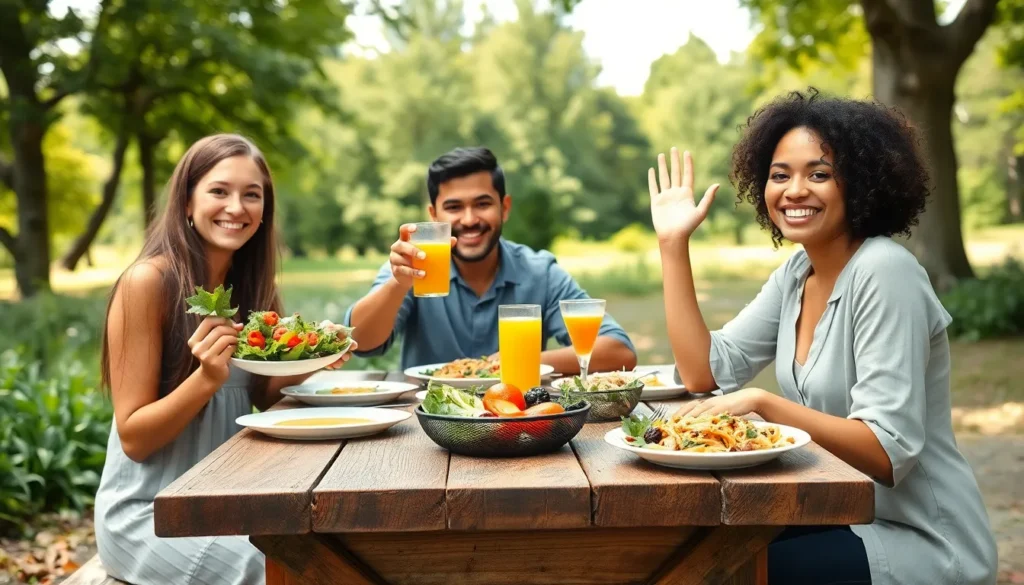
In a world where boundaries blur and cultures intertwine, cultural sensations emerge as powerful forces shaping society. These vibrant expressions of art, music, cuisine, and traditions captivate audiences and spark conversations that transcend geographical limits. They reflect the rich tapestry of human experience and foster a deeper understanding of diverse perspectives.
From viral dance challenges to globally celebrated festivals, cultural sensations not only entertain but also unite people across different backgrounds. They inspire creativity and encourage individuals to explore the unfamiliar, pushing the boundaries of what it means to connect in today’s fast-paced, interconnected world. As these phenomena evolve, they continue to redefine cultural landscapes and influence the way we perceive and appreciate the myriad cultures that coexist on our planet.
Overview of Cultural Sensations
Cultural sensations encompass various phenomena that engage global audiences, driving conversations that cross cultural boundaries. These experiences often arise from forms of art, music, cuisine, and traditions that resonate widely. Viral dance challenges engage millions, illustrating the power of social media to spread cultural expressions rapidly.
Global festivals, such as Carnival in Brazil or Diwali in India, attract visitors from around the world, showcasing local traditions while inviting diverse participation. Such events not only provide entertainment but also foster community building and mutual understanding among different cultural groups.
Cultural sensations influence creativity, prompting individuals to explore unfamiliar cultures. They offer opportunities for learning and appreciation, exposing audiences to unique customs and practices. As cultural sensations evolve, they continuously reshape societal norms and expectations regarding culture.
The impact of cultural sensations is profound; they inspire collaboration and innovation. Individuals and communities draw on shared experiences to create new artistic expressions, culinary trends, and musical styles. This ongoing exchange enriches global culture, leading to a deeper appreciation of diversity and creativity within society.
The Impact of Cultural Sensations
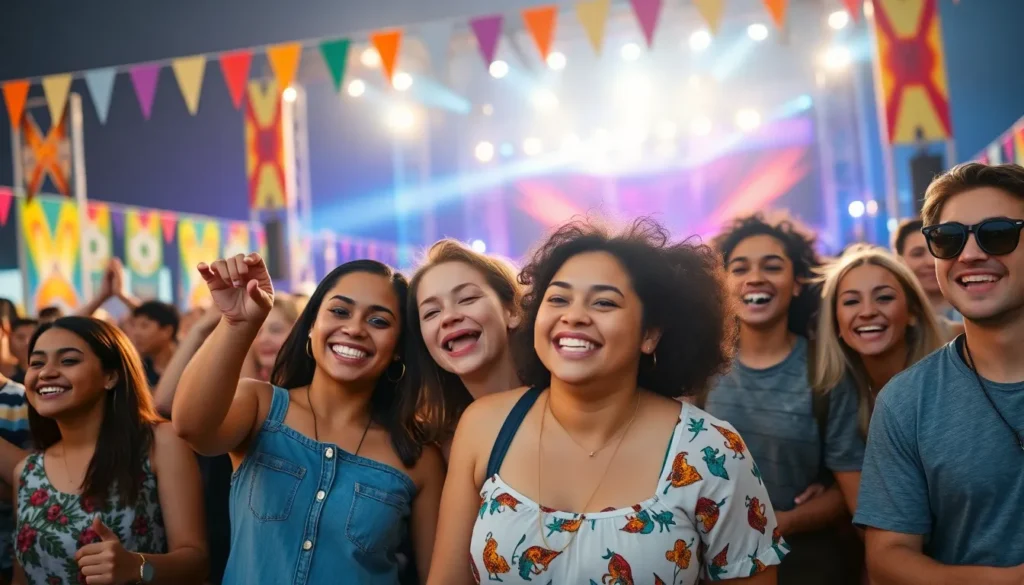
Cultural sensations significantly influence society in various dimensions, driving both social change and economic growth. These phenomena affect attitudes, behaviors, and markets globally.
Social Change and Awareness
Cultural sensations trigger social change by challenging existing norms and raising awareness about crucial issues. Viral movements, such as the #MeToo campaign, spark conversations surrounding gender equality, pushing for reforms in legal and social contexts. Music festivals amplify voices of marginalized communities, fostering solidarity among attendees and encouraging advocacy for social justice. Through exposure to different cultures, individuals develop greater empathy, leading to improved cross-cultural relationships.
Economic Influences
Cultural sensations substantially drive economic growth by supporting diverse industries. Global festivals attract millions of tourists, generating revenue for local economies through hospitality, dining, and entertainment sectors. Viral trends in food, fashion, and art create new markets, leading to increased employment opportunities. Many brands leverage cultural sensations to improve marketing strategies, capitalizing on trends to target broader audiences and enhance consumer engagement. This synergy between culture and economy fuels innovation, contributing to a more dynamic global marketplace.
Notable Cultural Sensations in History
Cultural sensations throughout history have played pivotal roles in shaping societies. They express identity, challenge norms, and foster community engagement.
Art and Music Movements
Art and music movements often reflect societal changes, establishing powerful cultural sensations. The Impressionist movement, emerging in the late 19th century, transformed the art world by introducing new techniques and perspectives, emphasizing light and color over detail. Similarly, the Jazz Age of the 1920s revolutionized music, infusing emotions and spontaneity into performances that resonated with diverse audiences.
During the 1960s, the counterculture movement embraced protests, peace, and love, showcasing music as a medium for social change through influential icons like Bob Dylan and The Beatles. These movements created lasting impacts, prompting conversations about identity, freedom, and cultural values, reshaping public perceptions and inspiring future artists.
Fashion Trends
Fashion trends also serve as significant cultural sensations, reflecting societal values and transformations. The Roaring Twenties introduced flapper dresses and loose silhouettes, symbolizing women’s empowerment and liberation from traditional norms. The punk movement of the 1970s, characterized by bold styles and DIY aesthetics, challenged conventions and expressed rebellion against societal standards.
More recently, streetwear emerged as a cultural phenomenon, blending high fashion with urban aesthetics. This trend transcends borders and walks of life, creating a global language through apparel that resonates with youth culture. Innovations in fashion continuously stimulate discourse on identity, sustainability, and cultural appropriation, enriching the global fashion landscape.
The Role of Technology in Cultural Sensations
Technology plays a crucial role in amplifying cultural sensations, making diverse cultural expressions accessible to global audiences. The digital landscape, particularly social media, enables instantaneous sharing and engagement, transforming the way cultures are experienced.
Social Media’s Influence
Social media platforms significantly influence the dissemination of cultural sensations. They provide a space for users to share videos, images, and stories, creating viral trends that captivate millions. For example, platforms like TikTok foster global participation in dance challenges, where traditional and modern cultural expressions converge. These challenges often transcend geographical boundaries, leading to increased visibility and appreciation of diverse cultural practices. Additionally, influencers and content creators play a vital role by showcasing their cultural heritage, thus sparking conversations that promote understanding and respect for different cultures.
Global Connectivity
Global connectivity enhances the experience of cultural sensations by breaking down barriers. Online platforms facilitate live-streamed events, allowing audiences around the world to participate in festivals and performances. Events like the New Year celebrations in Times Square and the Holi festival in India attract viewers beyond localities, cultivating a sense of shared experience. Furthermore, technology enables cross-cultural collaborations in art, music, and cuisine, leading to hybrid forms that reflect a blend of traditions. This interconnectedness fosters not only cultural appreciation but also a broader understanding of global diversity, nurturing relations among communities worldwide.
Cultural sensations play a vital role in shaping contemporary society. They break down barriers and encourage connections among diverse groups. As these phenomena continue to evolve, they inspire creativity and promote a deeper understanding of various traditions and practices.
The influence of cultural sensations extends beyond entertainment, driving social change and economic growth. By challenging norms and amplifying marginalized voices, they foster solidarity and awareness of important issues.
Ultimately, the ongoing exchange of cultural expressions enriches the global landscape, inviting everyone to celebrate diversity and innovation. This interconnectedness paves the way for a more inclusive world where creativity knows no boundaries.